Farnham Astronomical Society was founded in 1971 by a group of keen local amateur astronomers with the aim of promoting and furthering interest in the night sky and all things related to astronomy amongst the people of North Hampshire and West Surrey.
We are a friendly and informal society, with a membership spanning a wide range of ages and experience – from absolute beginners to experienced observers. There is always a warm welcome for visitors and new members, whether your interest is being able to recognise the constellations, stars and planets, or perhaps you have a deeper interest such as lunar and planetary observing, solar observation, variable star observing or CCD imaging.
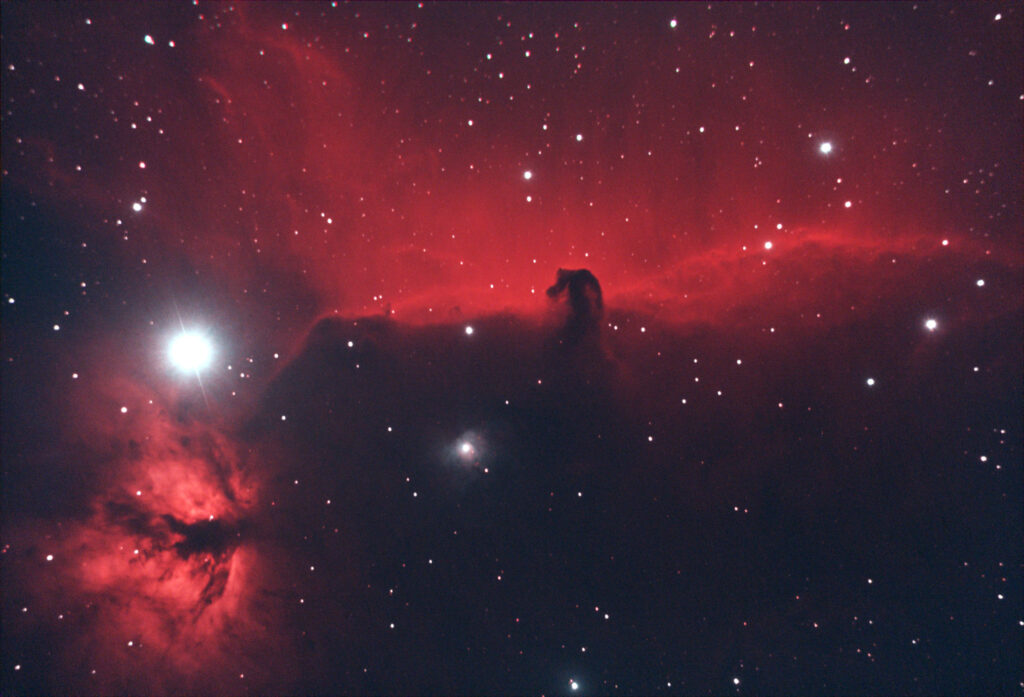
Image Credit: Kevin Pretorius
Meetings and Talks
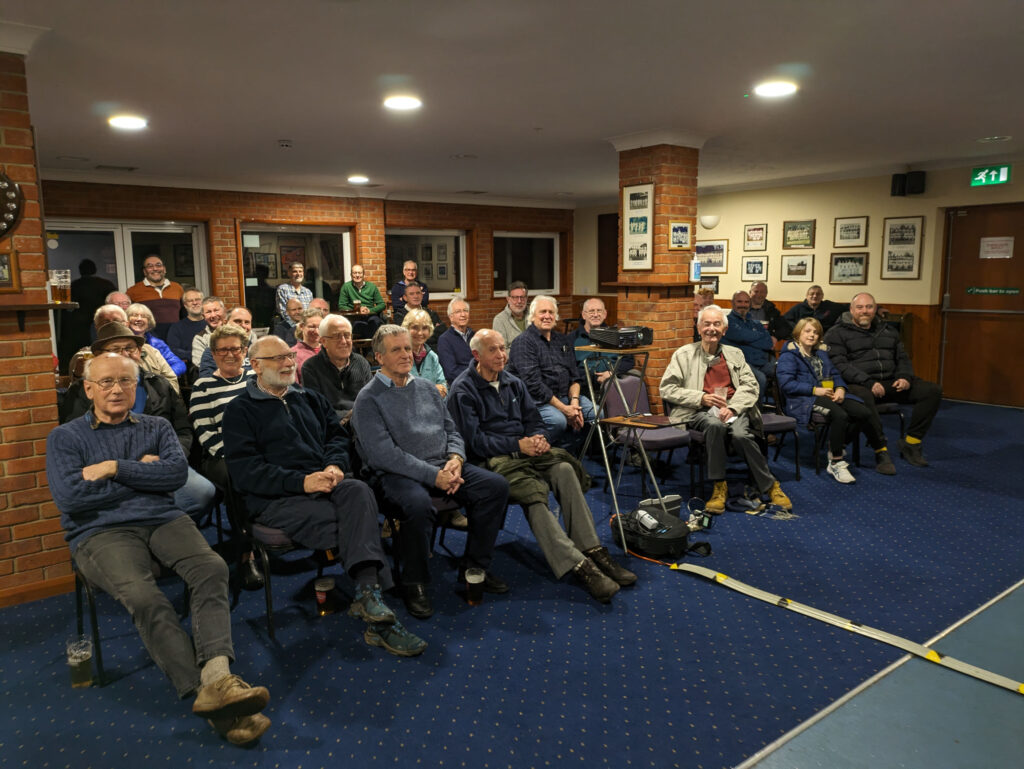
We meet on the second Tuesday of every month at Aldershot Cricket Club, where our meetings begin with discussion of current events of astronomy interest and brief reports from the Committee. This is followed by a presentation by a guest speaker or member on an astronomy or cosmology topic. Take a look at our Speaker Programme for the coming months.
Refreshments are available before and after the presentation, giving members the chance to meet and discuss their interests. Outside of the meeting hall we have an area where members can set up telescopes – if the sky is clear!
Image Credit: Farnham AS
Loan Equipment and Library
Members of the society can borrow or hire equipment from our collection of telescopes. We will help you find a telescope from our collection, that is well-suited to your needs, situation, and level of experience. The society also owns several solar telescopes that are
The Society also has a library with over 150 books, publications and observing guides that are available for members to borrow.
Image Credit: Farnham AS
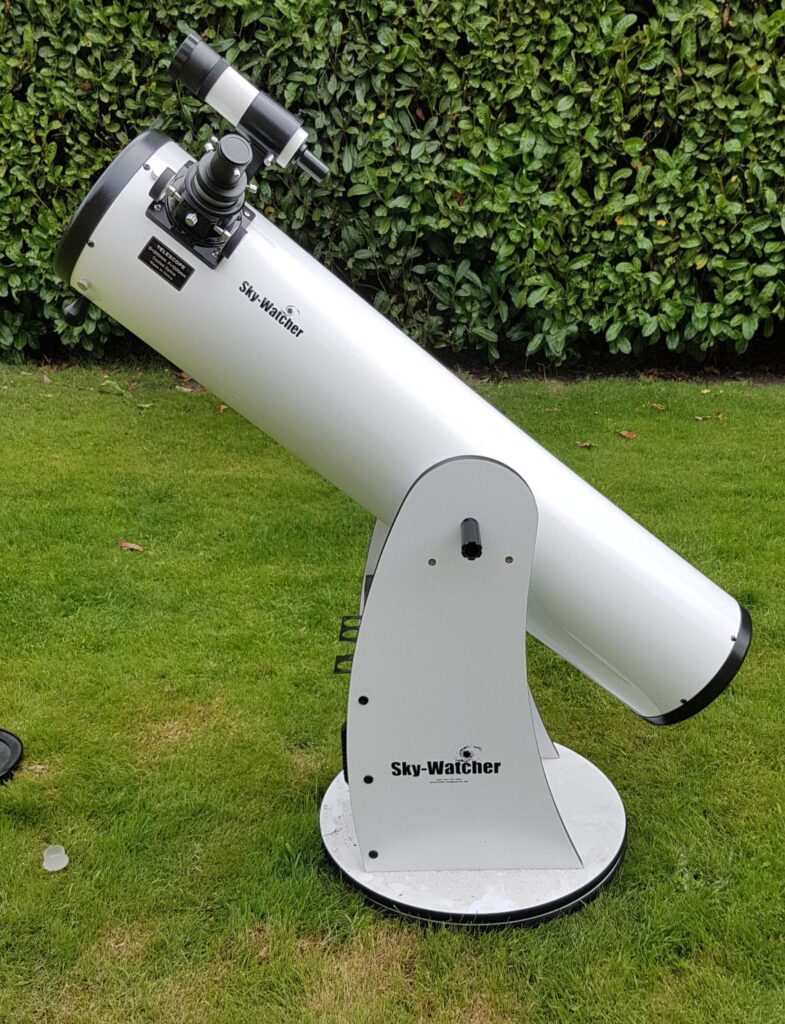
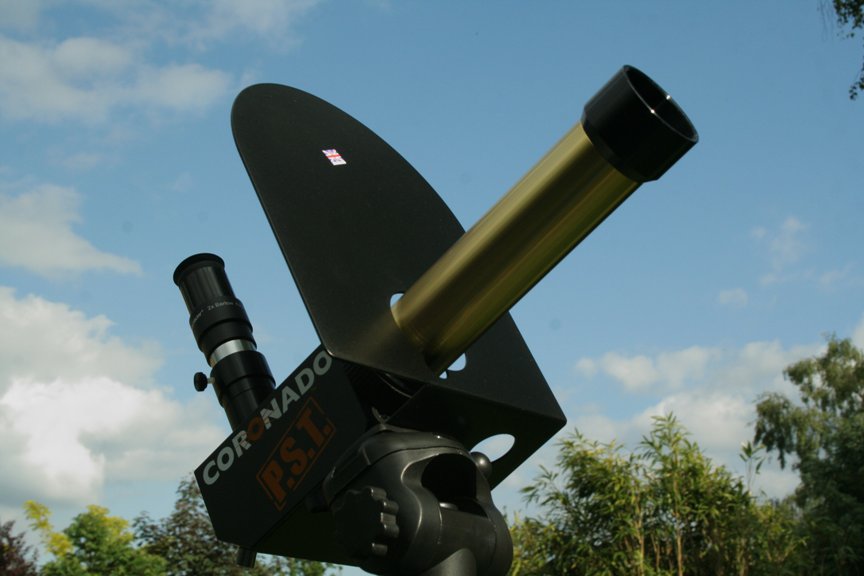
The Society also owns several Solar Telescopes that are designed specifically for viewing the Sun.
These telescopes prove to be very popular at daytime events as not many people get to see sunspots and solar prominances in fine detail.
Although these telescopes are available for loan, they are generally only for more experienced members and then only after a safety briefing and training.
Image Credit: Danny Thomas
Observing and Outreach
Observing the night sky through telescopes, cameras or just the naked eye is an important part of the Society’s activities outside of our monthly meetings. We have access to a local and relatively dark sky where members can observe together and help each other with equipment and advice. We also run observing evenings for the mutual benefit of members and the local community, often with local schools and scouts group in the Farnham area.
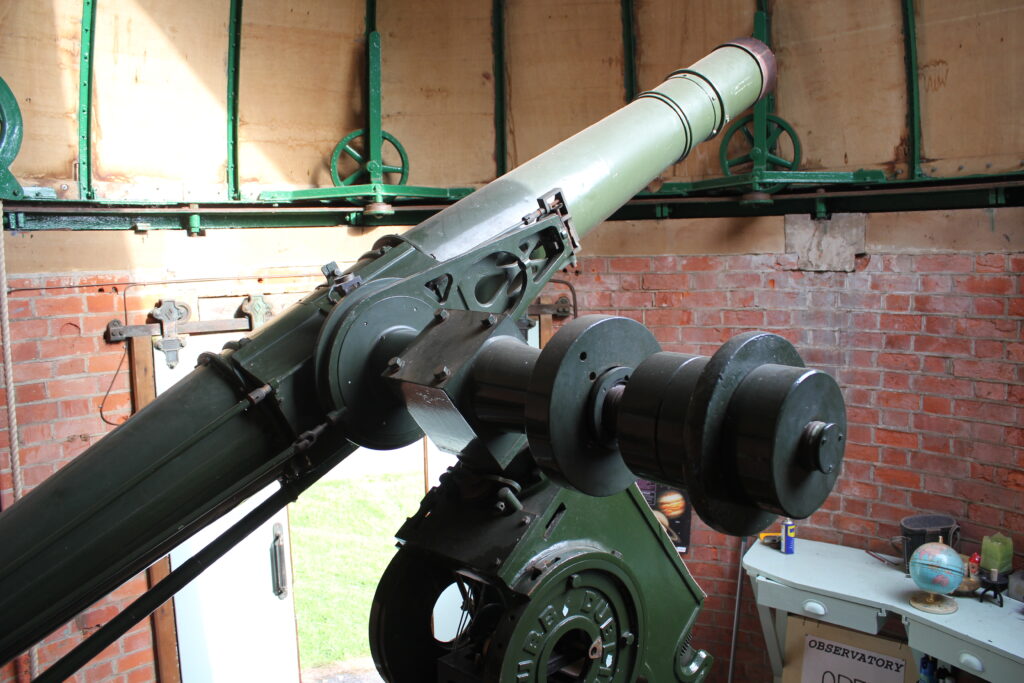
Some members of Farnham Astronomical Society have had a long connection with the Alexander Observatory in Aldershot and we often open the observatory to the public.
Image Credit: Danny Thomas
Joining
If you have an interest in Astronomy, Cosmology – or just an interest in the night sky – and want to meet like-minded people then please come along to one of our meetings. New members are always welcome, whether you are an absolute beginner or an experienced observer. You don’t need to own a telescope.
If this whets your appetite, joining us is very easy and all the details are here!

Farnham Astronomical Society is an active member of the Southern Area Group of Astronomy Societies.
A friendly gathering of Astronomical groups and societies that each recognise the benefits of being part of a larger community.
Farnham Astronomical Society is a member of the Federation of Astronomical Societies.
A union of astronomical societies, groups and clubs, liaising together, where practicable, for their mutual benefit.